Free delivery in France starting at 30 € · Europe, Switzerland and Luxembourg: 5,90 €


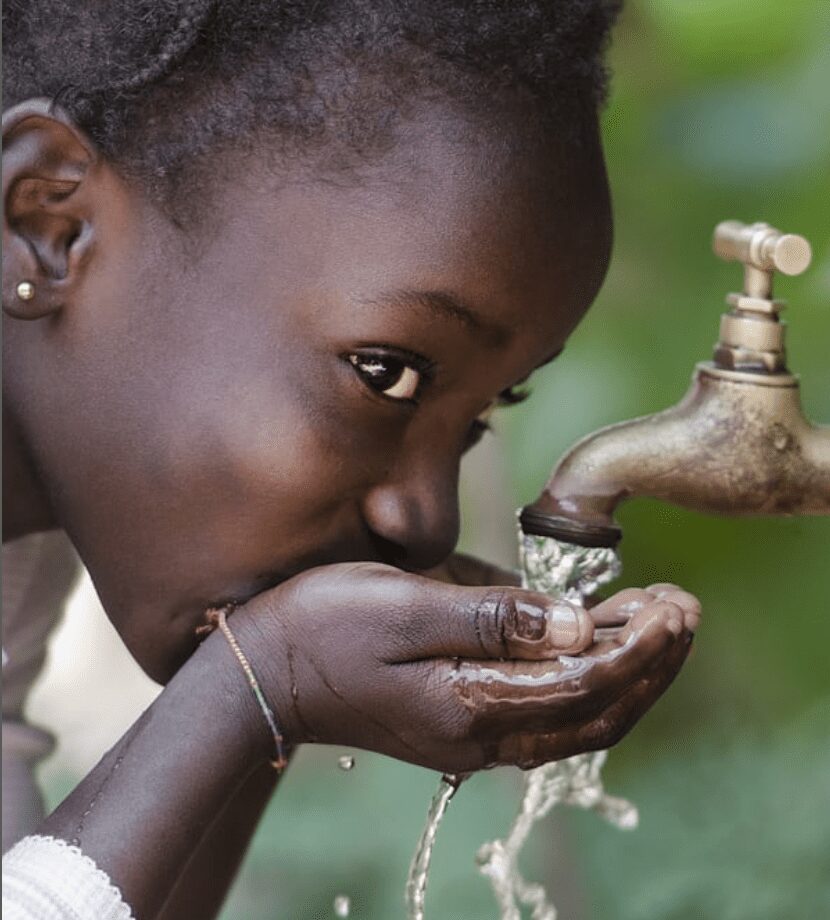
Madagascar, the fourth largest island in the world, is renowned for its exceptional biodiversity. However, it faces major challenges regarding access to clean water. According to UNICEF, about 50% of the Malagasy population does not have access to an improved source of water, being forced to draw water from rivers, lakes, or shallow wells. The construction of wells represents a sustainable solution for improving access to clean water in rural areas, offering significant benefits in terms of public health and economic development.
However, the construction of wells can be a sustainable solution to improve access to clean drinking water in rural areas of Madagascar. The wells can provide clean and safe water for human consumption and can also be used for irrigation of crops and watering livestock.
The construction of wells can offer many benefits for Malagasy rural communities. First of all, the wells can provide clean and safe water, thereby reducing the risk of water-related diseases. Moreover, the wells can improve food security by allowing irrigation of crops and providing water for livestock.
The construction of wells can also have positive economic impacts by creating jobs for local workers and allowing farmers to diversify their crops and increase their production.
That is why, through our local producers, we participate in the creation of wells in the villages.