


Vanilla is an exquisite spice, beloved in many desserts and dishes around the world. Originating in Central America, it was used by the Aztecs to flavor their hot cocoa. Today, vanilla is mainly grown in tropical regions, notably in Madagascar, which is one of the world’s leading producers. In addition to its captivating aroma, vanilla possesses antioxidant and soothing properties, and is used in both sweet and savory dishes.
Origin of vanilla
Vanilla originates from Central America, where it was used by the Aztecs to flavor their hot cocoa. The Aztecs called vanilla «tlilxochitl,» which means «black pod.» To them, vanilla had aphrodisiac properties, and they used it in their religious ceremonies.
In the 16th century, the Spanish conquistadors introduced vanilla to Europe, where it became very popular among aristocrats. However, it took until the 19th century for vanilla to be cultivated outside of Central America, thanks to artificial pollination techniques developed by a young Malagasy slave named Edmond Albius.
Vanilla cultivation
Vanilla is grown on climbing vines, mainly in the tropical regions of the world. The vanilla plant is an orchid, and there are more than 100 different species. However, only a few species are used to produce edible vanilla.
The vanilla flower is very delicate and only lasts a few hours. If it is not pollinated during this period, it will die and will not produce a vanilla pod. Traditionally, vanilla was pollinated by bees and hummingbirds by hand, but this was ineffective because only 1% of the flowers were pollinated.
This is where Edmond Albius comes in. He discovered that vanilla could be pollinated by hand by gently separating the flower’s membrane with a needle and then gently pushing it towards the pistil. This technique is still used today to pollinate most vanilla crops in the world.
Properties of vanilla
Vanilla is rich in antioxidants, which help protect cells from damage caused by free radicals. It also contains small amounts of vitamin B6, calcium, magnesium, and potassium.
Vanilla is also known for its soothing properties. It is used in aromatherapy to reduce stress and anxiety.
Culinary uses of vanilla
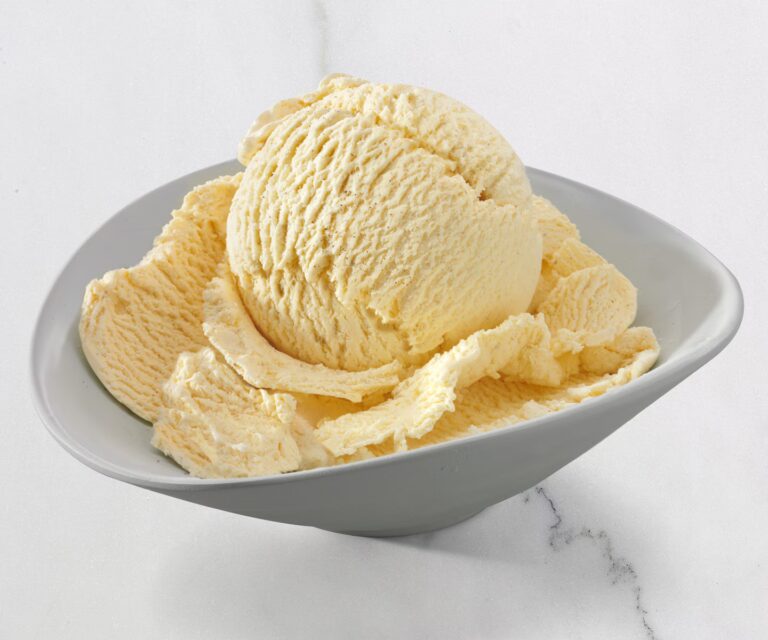
Vanilla is used in many desserts, including ice cream, cupcakes, cookies, and puddings. It is also used in savory dishes, such as sauces for meats, marinades, and vinaigrettes.
The products of this article

Vanilla pods from Madagascar – 13 to 15 cm
Starting from 14,80 €Choose
Madagascar pastry vanilla pods – 16 to 18 cm
Starting from Original price was: 21,60 €.20,00 €Current price is: 20,00 €.Choose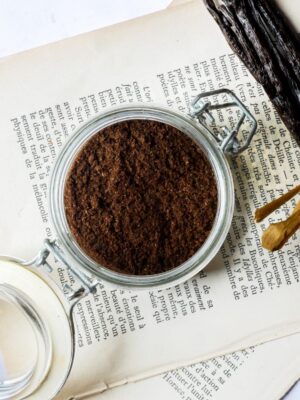
Madagascar vanilla powder – 15 g
12,00 € either 800,00 € / kgAdd to cart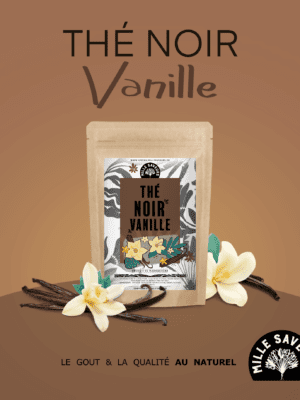
Black tea with vanilla from Madagascar – 100 g
9,00 € either 90,00 € / kgAdd to cart